CPG Insights · 9 min
How to Get Your Supplement Brand Into Stores
Supplements sell differently from food. Here is where Americans buy them, the rules your product must meet before a buyer will look at it, and how a new supplement brand gets from distributor to shelf.
Scope Shelf Editorial · November 11, 2026
In this article
- The market is big, and it's moving
- Where supplements sell
- The rules before the shelf
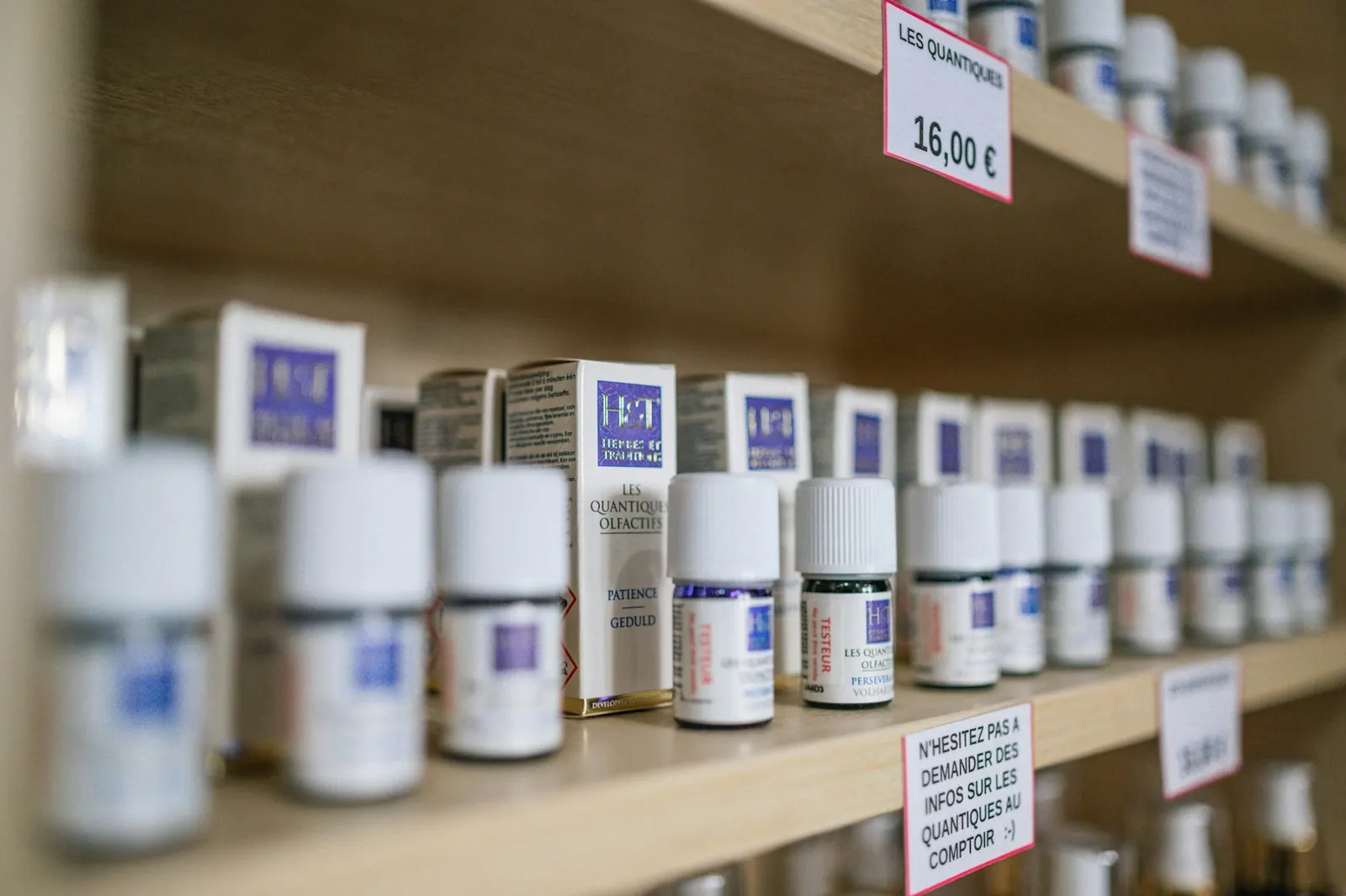
A shopper can taste a new hot sauce in four seconds. A new magnesium blend takes weeks to prove itself, if the shopper ever notices a difference at all. That one fact shapes everything about getting a supplement brand into stores.
The market is big, and it's moving
Americans spent $72.88 billion on supplements in 2025, up 5.5% from the year before, according to Nutrition Business Journal. About three in four U.S. adults take them, by the Council for Responsible Nutrition's 2024 consumer survey.
Supplements are no longer viewed as a luxury.
Erika Craft, market research analyst, Nutrition Business Journal
Where supplements sell
No single channel owns supplements. Mass retail, natural and specialty stores and e-commerce each hold about a quarter of sales. Sort the table to see the split, then read our take on each as a first channel for a new brand.
| Mass market | 27.1% | Chain buyers, national supply, heavy promotion budgets | Later. Prove velocity somewhere smaller first |
| Natural and specialty retail | 25.4% | Clean labels, testing, staff who can explain the product | Best first shelf for most brands |
| E-commerce | 24.3% | Reviews, ads, fast shipping. NBJ says it grew fastest in 2025 | Run it alongside retail, not instead of it |
| Practitioner | 9.3% | Clinical backing and practitioner relationships | Only if your formula is built for it |
| Mail order, direct TV and radio | 2.5% | Media budgets | Not a starting point |
Mass market
- Share of 2025 sales
- 27.1%
- What it takes
- Chain buyers, national supply, heavy promotion budgets
- Our read for a new brand
- Later. Prove velocity somewhere smaller first
Natural and specialty retail
- Share of 2025 sales
- 25.4%
- What it takes
- Clean labels, testing, staff who can explain the product
- Our read for a new brand
- Best first shelf for most brands
E-commerce
- Share of 2025 sales
- 24.3%
- What it takes
- Reviews, ads, fast shipping. NBJ says it grew fastest in 2025
- Our read for a new brand
- Run it alongside retail, not instead of it
Practitioner
- Share of 2025 sales
- 9.3%
- What it takes
- Clinical backing and practitioner relationships
- Our read for a new brand
- Only if your formula is built for it
Mail order, direct TV and radio
- Share of 2025 sales
- 2.5%
- What it takes
- Media budgets
- Our read for a new brand
- Not a starting point
Natural and specialty stores are where we'd start most supplement brands. The buyer cares about the formula, the staff can tell a shopper why it's different, and a regional win there is proof a bigger buyer will believe.
The rules before the shelf
Buyers won't take a meeting until your paperwork is clean. The basics, as the Consumer Healthcare Products Association lays them out:
- The FDA doesn't approve supplements before they're sold. You're responsible for safety and for an accurate label.
- Every facility that makes, packs or holds your product must be registered with the FDA.
- Manufacturing has to follow the FDA's good manufacturing practice rule for supplements, final since June 25, 2007.
- A new dietary ingredient, one not sold in the U.S. before October 15, 1994, needs FDA notice at least 75 days before you sell it.
- Claims about how a product supports the body need FDA notice within 30 days of first sale, and the label must carry the disclaimer: "This statement has not been evaluated by the Food and Drug Administration. This product is not intended to diagnose, treat, cure, or prevent any disease."
Expect a good buyer to ask for proof your product contains what the label says. Have it ready before the first meeting. This is not legal advice, so have a regulatory attorney review your label before it prints.
Supplement distributors and brokers
Natural stores mostly buy through the big natural distributors, KeHE and UNFI. Getting listed with them is its own sale, and it comes with the same costs any food brand faces: distributor margin, freight allowances and promotion chargebacks. We break those down in slotting fees.
A supplement broker is rarely what a new brand needs. "Supplement broker" gets about 10 searches a month in the U.S., by DataForSEO's count. The specialists who exist want brands that already sell. A distributor listing plus someone working the store is what moves product early.
Getting noticed once you're on the shelf
Food brands win with a sample cup. Supplements mostly can't. So the work shifts to explaining the product where the shopper stands:
- Train the staff. In a natural store, the person in the aisle sells more supplements than the label does.
- Put the reason to buy at eye level: a shelf strip, a screen or a QR code to a 30-second explainer.
- Sample what can be sampled. Powders, drink mixes and gummies can go in a cup.
- Track units per store per week from the first week, not the first quarter.
That's the job Spotlight Shelf was built for. Your product sits on a merchandiser with a screen above it, in 10 or more stores for 90 days, with merchandising support and sampling. Our distribution buys the product, and you fund the marketing. Read more on our page for wellness brands.
We continue to see consumers exploring new specialty products and embrace personalized health solutions.
Jeff Ventura, SVP of Communications, Council for Responsible Nutrition
What to do next
- Get your label, facility registration and testing in order before you pitch anyone.
- Pick a first channel. For most brands that's natural and specialty retail in one region.
- Price for the whole chain: distributor margin, retailer margin, freight and promotions.
- Plan how a shopper learns why your product is different without tasting it.
- Win 10 stores, measure the reorders, then take those numbers to a bigger buyer.
Further reading
Want this worked out for your product?
A fit call, a category read, and a plan with a price before any spend.
Connect with us