CPG Insights · 9 min
What Is a Food Broker, and Does Your Brand Need One?
A food broker sells your product to retailers and distributors for a commission. Here is what they do, what they cost, how they differ from a distributor, and how to tell if you're ready for one.
Scope Shelf Editorial · November 11, 2026
In this article
- What a food broker does
- Food broker vs distributor vs retailer
- How food brokers get paid
In the space of a year, the natural products world lost a handful of its brokers. WholeFoods Magazine counted three acquisitions, a closure and another acquisition, and said more likely went unreported. The firms that disappeared were often the small ones, the brokers willing to take a chance on a brand with no sales yet.
What a food broker does
That matters because a food broker is usually the first outside salesperson a food or beverage brand hires. A food broker sells your product to retail buyers and distributors on your behalf, and gets paid a commission on what you sell. They don't buy your product. They don't store it or ship it. They open doors and keep them open.
In practice, a good broker does four jobs:
- Pitches your product to category buyers at chains and to distributors.
- Sets up promotions and keeps track of what you owe for them.
- Checks that your product is actually on the shelf, priced right, in the right spot.
- Tells you, honestly, why a buyer said no.
Food broker vs distributor vs retailer
New brands mix these up constantly, and the mistake is expensive. The distributor buys your product and resells it. The broker sells it without ever owning it. The retailer buys it and puts it in front of shoppers. Each takes a cut, and the cuts stack. Sort the table by who owns the product to see where your money goes.
| Food broker, conventional grocery | No | Commission on sales | 3% to 5% | Eightx, 2026 |
| Food broker, emerging natural brands | No | Commission on sales | 5% to 7%, settling to 4% to 6% as you grow | Eightx, 2026 |
| Food broker, any channel | No | Commission on sales | 5% to 15% | Montana Department of Agriculture |
| Distributor | Yes | Margin on resale | 20% to 28%, plus 7% to 12% freight allowance | Eightx, 2026 |
| Grocery retailer | Yes | Margin on resale | 30% to 40% on food | Montana Department of Agriculture |
Food broker, conventional grocery
- Owns your product?
- No
- How they're paid
- Commission on sales
- Published range
- 3% to 5%
- Source
- Eightx, 2026
Food broker, emerging natural brands
- Owns your product?
- No
- How they're paid
- Commission on sales
- Published range
- 5% to 7%, settling to 4% to 6% as you grow
- Source
- Eightx, 2026
Food broker, any channel
- Owns your product?
- No
- How they're paid
- Commission on sales
- Published range
- 5% to 15%
- Source
- Montana Department of Agriculture
Distributor
- Owns your product?
- Yes
- How they're paid
- Margin on resale
- Published range
- 20% to 28%, plus 7% to 12% freight allowance
- Source
- Eightx, 2026
Grocery retailer
- Owns your product?
- Yes
- How they're paid
- Margin on resale
- Published range
- 30% to 40% on food
- Source
- Montana Department of Agriculture
Add it up and you see why the Montana Department of Agriculture's guide for food makers says retail price often lands around four times your cost of goods. The broker is usually the smallest slice. They're also the one whose cut you can most easily negotiate.
How food brokers get paid
Most brokers take a commission on what you sell into their accounts. According to Eightx's 2026 breakdown of broker and distributor fees, that runs 3% to 5% in conventional grocery and 5% to 7% for emerging natural and specialty brands. Some add a monthly retainer on top.
The retainer is where new brands get hurt. A broker on retainer gets paid whether your product sells or not. A broker on commission only gets paid when it does. Neither is wrong. But you should know which one you're signing, and what the broker has promised to do for the money.
Why it's harder to get a broker now
Brokers have had the same squeeze as everyone else: higher costs, owners retiring, and larger firms buying smaller ones. WholeFoods Magazine reported in June 2025 that the brokers most willing to take on new brands are the ones being absorbed or shrinking.
Companies have fewer options available for field representation, and now they need to make even more strategic decisions.
Adam Goodman, VP of Sales and Marketing, Summit Rx, to WholeFoods Magazine
A big broker carries hundreds of brands. A new brand with no sales history earns them very little commission and needs a lot of attention. Do the math from their side and the polite no makes sense.
Do you need a food broker?
Not always, and not first. Here's how we'd decide.
You're probably ready if
- You have sales from real stores, measured in units per store per week.
- You can supply a regional chain without running out.
- Your price still works after a distributor and a retailer take their cut.
- You have money set aside for promotions after the first order.
You're probably not ready if
- You haven't sold through a single store yet.
- You're hoping the broker will tell you what your product should cost.
- You can't afford to support the product once it's on the shelf.
If you're in the second group, a broker will either turn you down or take your money and struggle. Neither helps. Start with stores that will let you prove the product first. We lay out that order in how to get your product into retail stores.
What to do instead, or first
Independent grocers sell a third of the groceries in America, 33% of U.S. sales by a 2021 study for the National Grocers Association. In many of them, one person decides. That's where a new brand can earn its first numbers without a broker in the room.
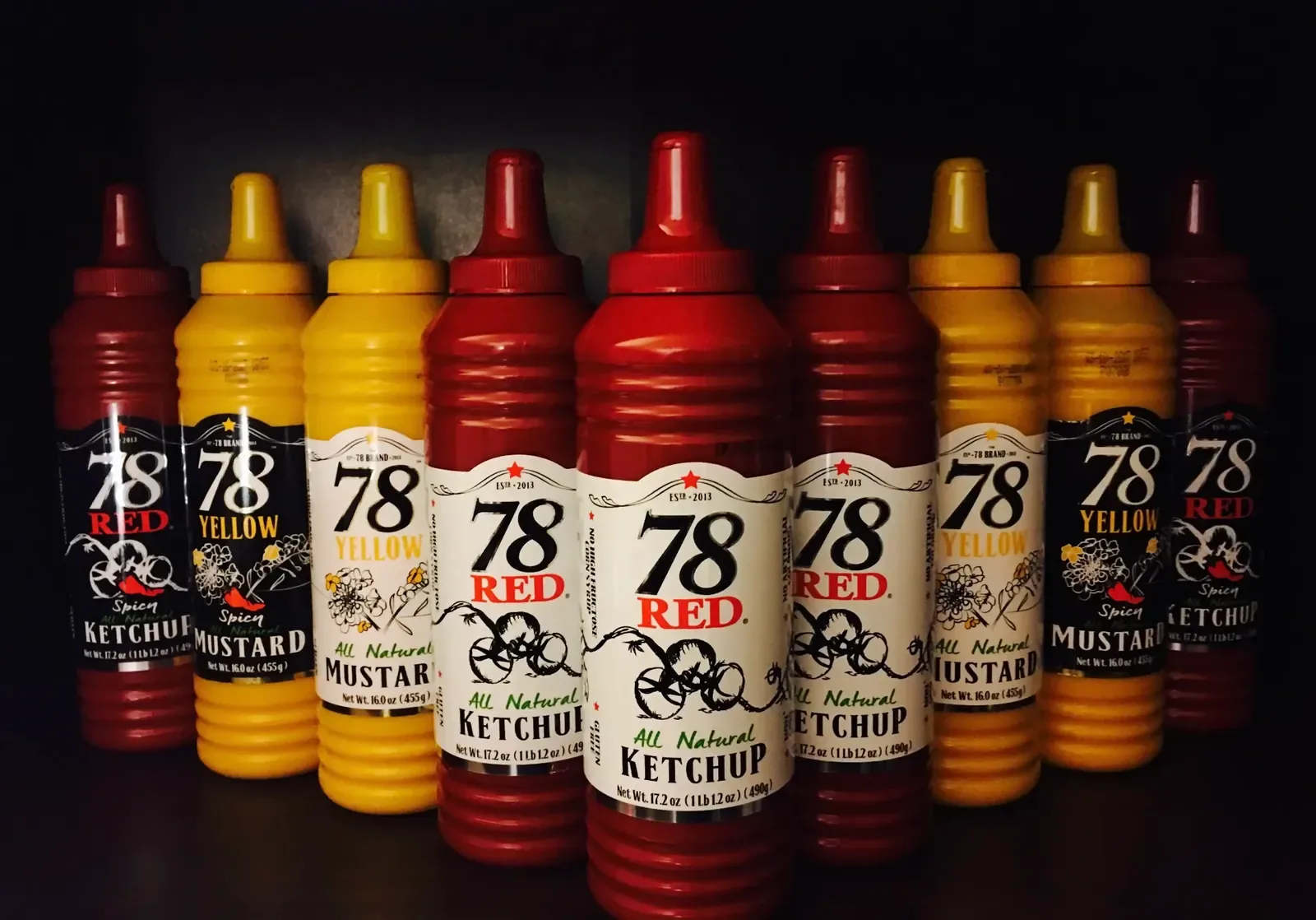
It's also why we built Scope Shelf the way we did. We work as your food broker, but we also merchandise the shelf, run sampling and hold inventory in our own warehouse. You see the plan and the price before anything starts. We learned the hard parts launching our own brand, 78 Brand, which now sells through Walmart, Sysco, KeHE and UNFI. For brands that want the fastest route to numbers, Spotlight Shelf puts your product on a merchandiser in 10 or more stores for 90 days.
If a traditional broker still sounds right, read our comparison of the CPG broker alternatives first.
Questions to ask a food broker before you sign
- Which buyers will you take my product to in the first 90 days? Names, not categories.
- How many brands do you carry in my category, and do any compete with mine?
- Is there a retainer, and what happens to it if nothing sells?
- How do you report to me, and how often?
- What does it take to end the contract?
A good broker will answer every one without flinching. If the answers are vague now, they won't get sharper after you sign.
Further reading
Want this worked out for your product?
A fit call, a category read, and a plan with a price before any spend.
Connect with us