CPG Insights · 8 min
Slotting Fees: What They Cost and How New Brands Avoid Them
Slotting fees are what a store charges to put a new item on its shelf. Here is what they cost, every other charge that rides along, and the ways a new food, beverage or supplement brand gets on the shelf without writing that check.
Scope Shelf Editorial · November 10, 2026
In this article
- What slotting fees are
- What slotting fees cost
- Slotting is only the first line
Jon Gordon had an ice cream brand called Clemmy's and a meeting that most founders would kill for. Stop & Shop was willing to put him in more than 400 stores. Then came the price of the shelf: $500,000. He had already spent tens of thousands of dollars getting into Albertsons and ShopRite. He said no.
What slotting fees are
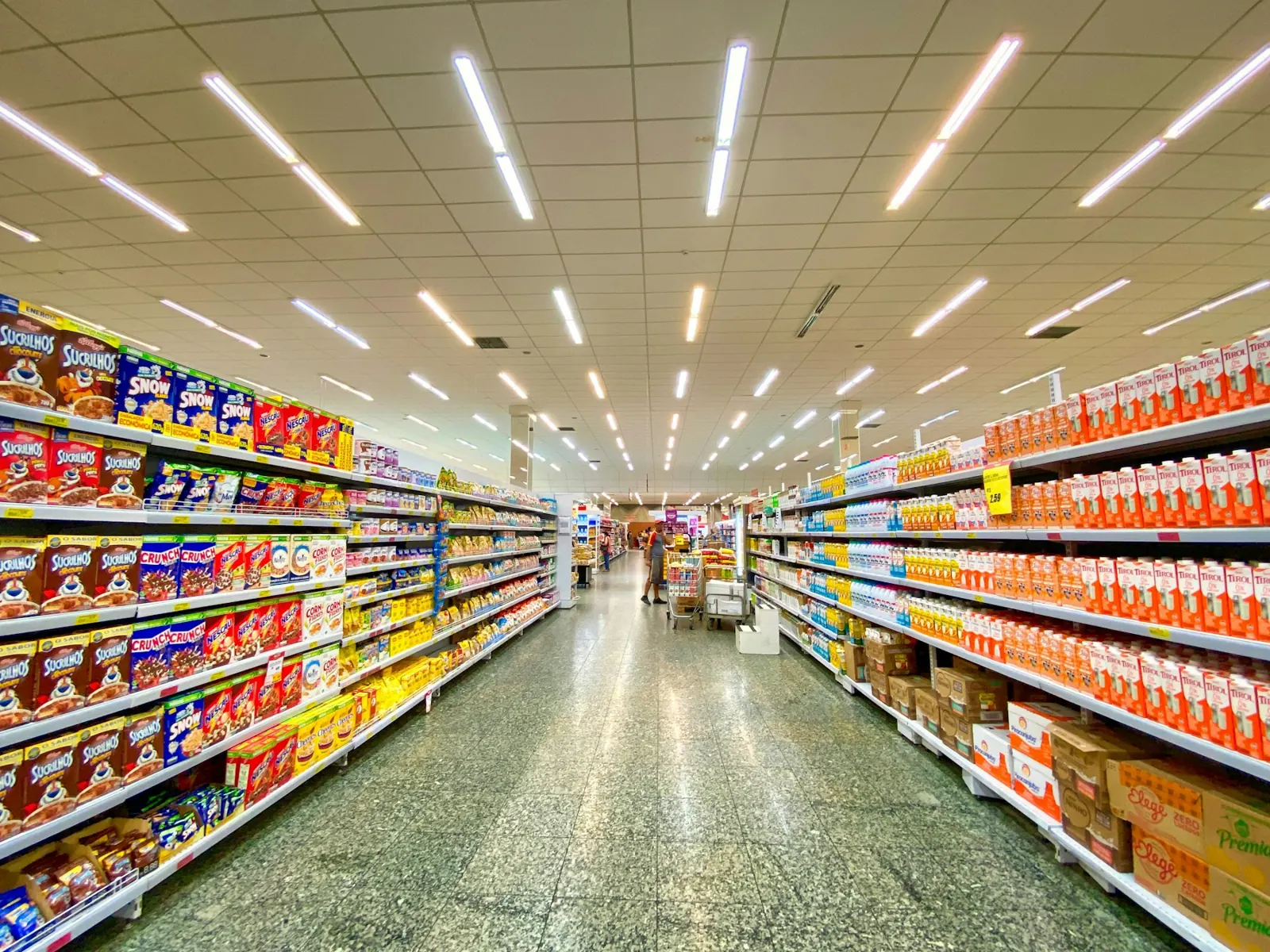
Gordon's story ran in CBS MoneyWatch in 2016, and nothing about it is unusual. Slotting fees are a one-time payment a brand makes to a retailer to get a new item onto the shelf. The store calls it the cost of setting up a new product: warehouse space, a tag, a spot in the planogram, the risk that it won't sell.
The brand calls it something else. For a company doing its first production run, slotting fees can be bigger than the order they unlock.
What slotting fees cost
Nobody publishes a rate card. That's part of the problem. A former grocery executive described the practice to the Center for Science in the Public Interest as a "deep, dark secret of the retailing world." But a few numbers are on the record.
- $5,000 to $20,000 per item. That is what one condiment company executive told CSPI his firm pays, as reported by CBS MoneyWatch in 2016.
- A little under $1 million to more than $2 million for a national launch. That is the range the Federal Trade Commission found in its 2003 study of seven supermarket companies, six manufacturers and two brokers.
- More than $50 billion a year across the food industry, by the estimate CSPI cited from marketing professor Gregory Gundlach and colleagues.
We make condiments ourselves. The first number is not abstract to us.
They make more money when they buy food than when they sell food.
John Stanton, professor of food marketing, St. Joseph's University, to CBS MoneyWatch
Slotting is only the first line
Founders budget for slotting fees and get surprised by everything else. The shelf has a cover charge, and then it has a tab. Sort the table by who collects, or filter to the charges that never stop.
| Slotting fee | One-time | Payment per new item for a place on the shelf | $5,000 to $20,000 per item (one condiment company) | Retailer | CSPI via CBS MoneyWatch, 2016 |
| National slotting | One-time | Slotting across a full national launch | Under $1 million to more than $2 million | Retailer | FTC, 2003 |
| Register placement | One-time | A spot by the checkout for a few months | $500,000 for one product at one chain | Retailer | CSPI via CBS MoneyWatch, 2016 |
| Promotional event | One-time | A one-time feature across a chain | $17,000 at a 300-store chain | Retailer | CSPI via CBS MoneyWatch, 2016 |
| Broker commission | Ongoing | The broker's cut of what you sell | 5% to 7% of sales for emerging natural brands | Broker | Eightx, 2026 |
| Distributor margin | Ongoing | What the distributor keeps between you and the store | 20% to 28% | Distributor | Eightx, 2026 |
| Freight allowance | Ongoing | Your share of the distributor's delivery cost | 7% to 12% | Distributor | Eightx, 2026 |
| Promotion chargebacks | Ongoing | Discounts billed back to you after a promotion runs | 8% to 15% of sales across a year | Distributor | Eightx, 2026 |
| Scan-back credit | Ongoing | A set amount you pay per unit actually sold on promotion | Set per promotion | Retailer | Industry term |
Slotting fee
- When
- One-time
- What it is
- Payment per new item for a place on the shelf
- Published range
- $5,000 to $20,000 per item (one condiment company)
- Who collects
- Retailer
- Source
- CSPI via CBS MoneyWatch, 2016
National slotting
- When
- One-time
- What it is
- Slotting across a full national launch
- Published range
- Under $1 million to more than $2 million
- Who collects
- Retailer
- Source
- FTC, 2003
Register placement
- When
- One-time
- What it is
- A spot by the checkout for a few months
- Published range
- $500,000 for one product at one chain
- Who collects
- Retailer
- Source
- CSPI via CBS MoneyWatch, 2016
Promotional event
- When
- One-time
- What it is
- A one-time feature across a chain
- Published range
- $17,000 at a 300-store chain
- Who collects
- Retailer
- Source
- CSPI via CBS MoneyWatch, 2016
Broker commission
- When
- Ongoing
- What it is
- The broker's cut of what you sell
- Published range
- 5% to 7% of sales for emerging natural brands
- Who collects
- Broker
- Source
- Eightx, 2026
Distributor margin
- When
- Ongoing
- What it is
- What the distributor keeps between you and the store
- Published range
- 20% to 28%
- Who collects
- Distributor
- Source
- Eightx, 2026
Freight allowance
- When
- Ongoing
- What it is
- Your share of the distributor's delivery cost
- Published range
- 7% to 12%
- Who collects
- Distributor
- Source
- Eightx, 2026
Promotion chargebacks
- When
- Ongoing
- What it is
- Discounts billed back to you after a promotion runs
- Published range
- 8% to 15% of sales across a year
- Who collects
- Distributor
- Source
- Eightx, 2026
Scan-back credit
- When
- Ongoing
- What it is
- A set amount you pay per unit actually sold on promotion
- Published range
- Set per promotion
- Who collects
- Retailer
- Source
- Industry term
The last row matters more than it looks. A scan-back is tied to a shopper buying your product at the register. The one-time fees at the top are owed before anything sells.
How new brands avoid slotting fees
You can't argue a national chain out of its business model. You can choose where you start.
Start with independents
Independent grocers account for 33% of U.S. grocery sales, $253.6 billion, according to a 2021 study for the National Grocers Association. That share was 25% a decade earlier. In most of those stores the owner or one buyer decides, and the decision turns on whether the product will sell, not on a fee schedule.
Trade the fee for proof
A chain buyer charges slotting because a new item is a gamble. Take away the gamble and the conversation changes. Units per store per week, from real stores, is what does it. That is the case we make in how to get your product into retail stores.
Put product in people's hands
Daniela D'Ambrosio, a regional forager for Whole Foods Market, gave emerging brands this advice in a 2023 interview with FoodNavigator:
Get your product into as many people's hands and mouths as possible.
Daniela D'Ambrosio, regional forager, Whole Foods Market
Sampling is the cheapest way to find out if a stranger will buy your product twice. It also builds the number the next buyer asks for.
Pay for marketing, not for the shelf
This is how we built Spotlight Shelf. Our distribution buys your product and places it in the store. You don't pay slotting. You pay for the things that bring a shopper to the product: marketing, promotions and scan-back credits. Your product sits on a merchandiser with a screen above it, in at least 10 stores for 90 days, with 10 to 20 more stores on regular shelves.
| Slotting at a chain | Spotlight Shelf | |
|---|---|---|
| What you pay for | The right to be on the shelf | Marketing, promotions and scan-back credits |
| Who buys the product | The chain, if the fee is paid | Our distribution |
| If it doesn't sell | The store drops you and keeps the fee | You leave with the numbers after 90 days |
| If it sells | You stay, and pay again for the next item | A permanent spot and distribution into 100+ doors |
| Where it starts | Just under $1 million to over $2 million for a national launch, per the FTC | Campaigns from $10,000 |
When paying slotting is the right call
Sometimes it is. The Food Marketing Institute, the grocers' trade group, has argued that the fees are ordinary business, "not a shadowy backroom deal." A store has limited space and thousands of new items asking for it every year. A fee is one way to sort them.
If you have the sell-through data, the supply and the cash to support the launch after the fee, slotting at the right chain can pay for itself. The mistake is paying it first, before you know the product moves. A broker who earns commission on the order has little reason to talk you out of it.
What to do next
- Before any buyer meeting, ask for every charge in writing: slotting, free product, promotions and chargebacks.
- Add the ongoing percentages in the table to your price. If the math fails at 20% to 28% distributor margin plus promotions, fix the price before you fix the pitch.
- Get 10 stores of real sales before you pay anyone for a shelf.
- When a fee is on the table, ask what it would take to swap it for a scan-back. You only pay that one when you sell.
Jon Gordon walked away from a $500,000 shelf. The better move is to never need that meeting until your numbers do the talking.
Further reading
Want this worked out for your product?
A fit call, a category read, and a plan with a price before any spend.
Connect with us